Cat care
The Small Litter Box Changes That Make a Big Difference
Photograph: Justin Sullivan/Getty Images
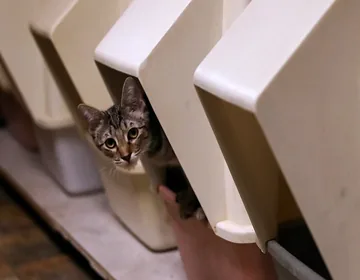
Litter boxes are easy to hide in a corner and forget, but their design and placement strongly affect a cat's comfort. Experts say a common mistake is creating a setup that suits the person rather than the animal. A box may be too small, too enclosed, too close to food or placed in a busy, noisy area that the cat avoids.
The number of boxes matters too. A widely shared social-media rule that every room needs one is unnecessary, but a household generally benefits from more than one option, especially when several cats live together. Boxes should be easy to reach, large enough to turn around and kept away from feeding areas. Cats often prefer consistency, so moving a box abruptly can trigger avoidance.
Cleaning frequency is part of the design. Scoop daily, wash the box regularly and use a litter the cat accepts rather than switching brands without reason. Watch for changes in use: a cat may avoid a box because of pain, stress or a household conflict. Sudden accidents are not revenge. They can be a practical signal that the environment or the animal's health needs attention.