Dog life
Why More British Dogs Are Being Exposed to Recreational Drugs
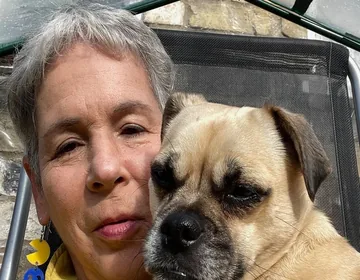
Photograph: Pamela Wesson
The UK's animal poison service has recorded a sharp increase in cases involving recreational drugs and nicotine. Calls about these exposures rose by 42% between 2024 and 2025, from 445 to 633. That was faster than the overall increase in calls, suggesting the problem is becoming more common rather than simply receiving more attention.
Dogs are especially vulnerable because they explore the world with their noses and mouths. They may eat abandoned food, vomit or faeces containing drugs, or swallow discarded gum, vaping fluid or other products. A dog may appear disoriented, agitated or unsteady before the owner understands what happened. Cats investigate differently and are involved in fewer of these cases.
Immediate veterinary help is essential if poisoning is suspected. Owners should not wait for severe symptoms or try to induce vomiting without professional advice. Public spaces also matter: secure disposal of drugs and nicotine products reduces the chance of accidental exposure. The rising figures highlight a practical welfare issue that sits at the intersection of public health, local services and responsible ownership.