Wild notes
Antarctic Snow Is Melting Faster Around Penguin Colonies
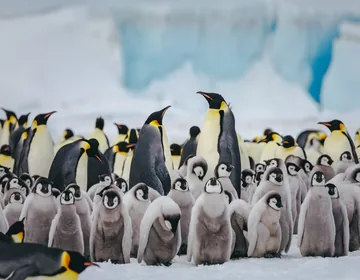
Photograph: David Merron Photography/Getty Images
Penguin colonies may be changing the snow beneath their feet in ways that accelerate local melting. A study along the western Antarctic peninsula found that guano, the nutrient-rich droppings produced by the birds, encourages the growth of snow algae. Where nutrients are plentiful, the algae become greener and absorb more sunlight.
Snow algae already survive in some of the planet's harshest environments. When nutrients are scarce, they produce red pigments that help protect them from solar stress. With more food available, they can instead build green chlorophyll and grow rapidly. Darker, greener snow absorbs more heat than clean white snow, creating conditions that melt more quickly.
Researchers sampled red and green algae both near and away from penguin colonies. Their results suggest that birds are effectively fertilising snowfields as they move across the landscape. Antarctic melting forecasts do not yet include this biological feedback, but it could become more important as warming shifts penguin populations farther south. The finding shows how animal behaviour and climate processes can be tightly connected.