Wild notes
Why Mink Farms Remain a Global Health Blind Spot
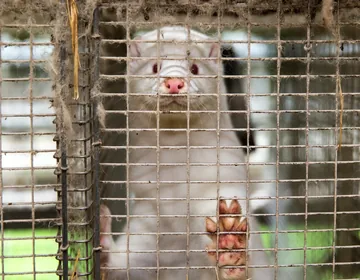
Photograph: Ole Jensen/Getty Images
A bird flu outbreak at a mink farm in Utah has renewed concern about facilities where several species and viral risks meet. Reporting by ProPublica described infections circulating on the farm while public intervention appeared limited. The episode is a reminder that disease surveillance cannot stop at the farm gate when animals, workers and supply chains are closely connected.
Mink are especially problematic hosts. They can be infected by both avian and human influenza viruses, creating opportunities for genetic material to mix. Many farms also feed mink with by-products from poultry and livestock, bringing together animals from different production systems. Add dense housing and limited transparency, and the conditions become difficult to monitor.
The risk is not hypothetical. Avian influenza has occasionally crossed into people, and the consequences can be severe. Stronger testing, clear reporting and safer feed and housing practices would benefit farmers as well as public health agencies. The central lesson is that outbreaks in animals should be treated as early warnings, not isolated agricultural problems.